Commercial-Scale Biochar Production for Sustainable Practices
- eerikahaag
- 3 hours ago
- 4 min read
Biochar is gaining traction as a sustainable solution for various environmental challenges. As the world grapples with climate change, soil degradation, and waste management issues, biochar production offers a promising avenue for addressing these problems. This blog post explores the commercial-scale production of biochar, its benefits, and how it can be integrated into sustainable practices.
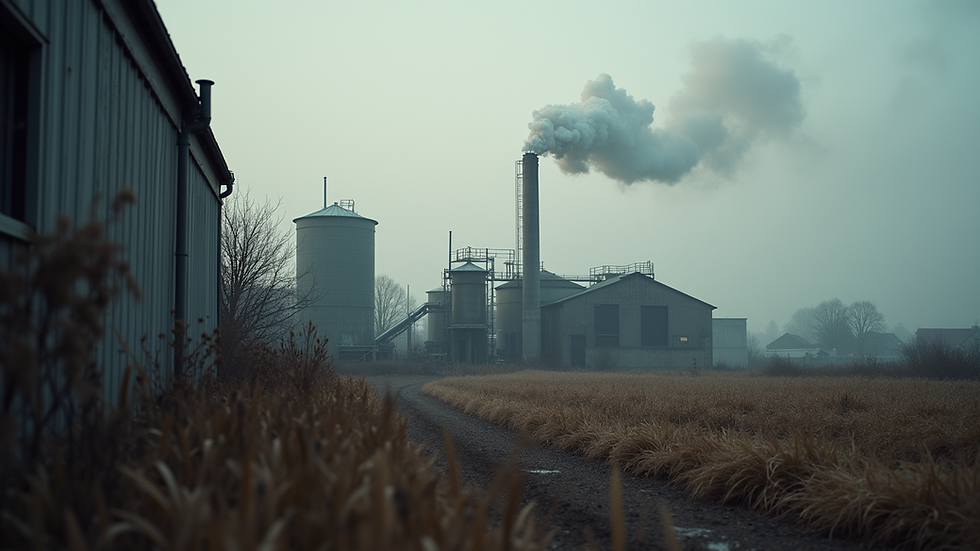
What is Biochar?
Biochar is a carbon-rich material produced through the pyrolysis of organic materials, such as agricultural residues, forestry waste, and other biomass. The process involves heating biomass in a low-oxygen environment, which transforms it into a stable form of carbon. This carbon can then be sequestered in the soil, providing numerous environmental benefits.
The Pyrolysis Process
The pyrolysis process can be broken down into several stages:
Feedstock Preparation: The biomass is collected and processed to ensure uniformity in size and moisture content.
Heating: The prepared biomass is heated in a pyrolysis reactor. This can be done using various methods, including direct heating or indirect heating through external sources.
Carbonization: As the temperature rises, the biomass undergoes thermal decomposition, releasing volatile gases and leaving behind solid biochar.
Cooling and Collection: The biochar is cooled and collected for further use or distribution.
Benefits of Biochar
Biochar offers a multitude of benefits that make it an attractive option for sustainable practices:
Soil Improvement
Biochar enhances soil health by:
Increasing Soil Fertility: It improves nutrient retention, making essential nutrients more available to plants.
Enhancing Soil Structure: Biochar improves soil aeration and water retention, promoting better root development.
Reducing Soil Acidity: It can help neutralize acidic soils, making them more suitable for a wider range of crops.
Climate Change Mitigation
Biochar plays a significant role in reducing greenhouse gas emissions by:
Sequestering Carbon: The stable carbon in biochar can remain in the soil for hundreds to thousands of years, effectively removing carbon dioxide from the atmosphere.
Reducing Methane Emissions: When applied to landfills, biochar can reduce methane emissions from decomposing organic waste.
Waste Management
Biochar production can help manage organic waste by:
Converting Waste to Resource: Agricultural and forestry residues that would otherwise contribute to waste can be transformed into valuable biochar.
Reducing Landfill Use: By diverting organic waste from landfills, biochar production can help reduce the burden on waste management systems.
Commercial-Scale Biochar Production
To realize the full potential of biochar, commercial-scale production is essential. This involves setting up facilities that can efficiently produce biochar in large quantities. Here are some key considerations for establishing a commercial biochar production operation:
Choosing the Right Feedstock
Selecting the appropriate feedstock is crucial for biochar production. Common feedstocks include:
Wood Chips: A readily available resource from forestry operations.
Agricultural Residues: Crop residues such as corn stover, rice husks, and straw.
Organic Waste: Food waste and yard waste can also be utilized.
Selecting the Pyrolysis Technology
There are various pyrolysis technologies available, each with its advantages and disadvantages. Some popular methods include:
Batch Pyrolysis: Suitable for small-scale operations, where biomass is processed in batches.
Continuous Pyrolysis: Ideal for larger operations, allowing for a steady feed of biomass and continuous biochar production.
Flash Pyrolysis: A rapid process that produces bio-oil along with biochar, which can be further processed for energy.
Regulatory Considerations
Before establishing a commercial biochar production facility, it is essential to understand the regulatory landscape. This includes:
Environmental Regulations: Compliance with local and national environmental laws regarding emissions and waste management.
Permitting: Obtaining the necessary permits for operating a biochar production facility.
Case Studies of Successful Biochar Production
Several companies and organizations have successfully implemented commercial-scale biochar production. Here are a few notable examples:
Biochar Solutions, Inc.
Based in the United States, Biochar Solutions, Inc. has developed a continuous pyrolysis system that converts wood waste into high-quality biochar. Their operations not only produce biochar but also generate renewable energy from the byproducts of the pyrolysis process.
Carbon Gold
Carbon Gold, a UK-based company, focuses on producing biochar from organic waste. They have established partnerships with local farmers to utilize agricultural residues, creating a circular economy that benefits both the environment and local agriculture.
The Biochar Project
This initiative in Australia aims to produce biochar from forestry waste. The project not only addresses waste management but also contributes to soil health and carbon sequestration in agricultural lands.
Integrating Biochar into Sustainable Practices
To maximize the benefits of biochar, it is essential to integrate it into broader sustainable practices. Here are some strategies for doing so:
Agricultural Practices
Farmers can incorporate biochar into their soil management practices by:
Mixing with Compost: Combining biochar with compost can enhance nutrient availability and improve soil structure.
Applying as a Soil Amendment: Direct application of biochar to fields can improve crop yields and soil health.
Carbon Offset Programs
Businesses and organizations can participate in carbon offset programs by investing in biochar production. This not only helps mitigate climate change but also supports sustainable agriculture and waste management initiatives.
Education and Outreach
Raising awareness about the benefits of biochar is crucial for its adoption. Educational programs can help farmers, landowners, and policymakers understand how biochar can enhance sustainability efforts.
Challenges in Biochar Production
While the benefits of biochar are significant, there are challenges to commercial-scale production that must be addressed:
Economic Viability
The initial investment in biochar production facilities can be substantial. Ensuring economic viability through efficient operations and market demand is essential for long-term success.
Market Development
The market for biochar is still developing, and creating demand for biochar products is crucial. This can be achieved through partnerships with agricultural organizations, environmental groups, and government agencies.
Research and Development
Continued research is needed to optimize biochar production processes and understand its long-term effects on soil health and carbon sequestration.
The Future of Biochar Production
The future of biochar production looks promising as more individuals and organizations recognize its potential for sustainable practices. With advancements in technology and growing awareness of environmental issues, biochar could play a vital role in addressing climate change, improving soil health, and managing waste.
Conclusion
Commercial-scale biochar production presents a unique opportunity to create a sustainable future. By transforming waste into a valuable resource, biochar can enhance soil health, mitigate climate change, and support waste management efforts. As we move forward, embracing biochar as a key component of sustainable practices will be essential for building a healthier planet.
By investing in biochar production and integrating it into agricultural and environmental strategies, we can take significant steps toward a more sustainable future. The time to act is now.


Comments